
-
Connect With HLL
Meet featured alumni and learn more about how their HLL experiences helped shape their academic and professional journeys.
-

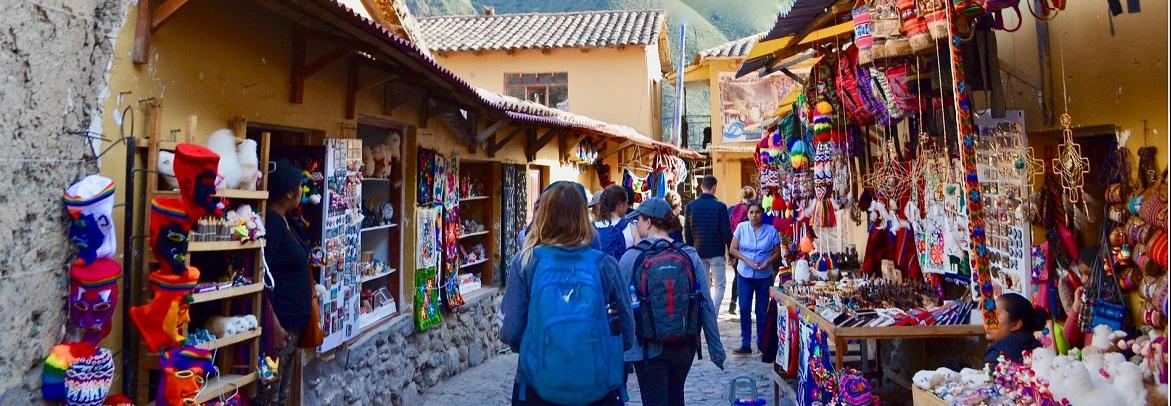
Study Abroad Programs
The Department of Hispanic Languages and Literatures strongly encourages students to add an international dimension to their undergraduate education through studying abroad.
-

Student Clubs and Activities
HLL students have the opportunity to participate in multiple clubs and activities that promote Hispanic languages and literatures, while also building a sense of community.
-
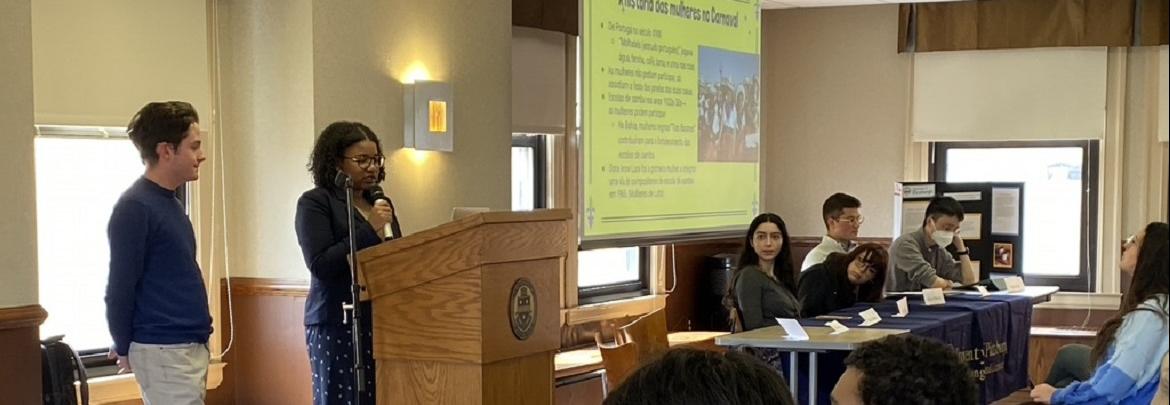
Undergraduate Research Symposium 2023
The Department of Hispanic Languages and Literatures sponsors an undergraduate research symposium annually. Learn more about this unique opportunity here.
Welcome — Bienvenidos — Bem-vindos
With more than 730 million speakers, Spanish and Portuguese are among the most widely spoken languages in our increasingly global environment and economy. Learn more about how these languages can help you achieve your professional goals.
Explore HLL

View important information regarding language placement, advising, and permission numbers.

The Department of Hispanic Languages and Literatures offers one undergraduate major and three minors.

Your gift to the Department of Hispanic Languages & Literatures will make a difference in the lives of students and the programs we offer.

El Centro – The Spanish Language Hub at Pitt
(Previously the Spanish Writing Center)
The Hispanic Languages & Literatures Department hosts El Centro – The Spanish Hub at Pitt, which provides individual and small-group instruction in all forms of oral and written communication.